Za kulisami projektu RASCOS: zanim powstanie powłoka, trzeba wiedzieć, z czego ją zbudować
By Katarzyna Suchon
Step inside the laboratories of Łukasiewicz-IMPiB, where the first stage of the Swiss-funded RASCOS project is under way
Most of us only see a coating once it is finished: applied to a surface, in a particular colour, doing its job well. What happens before that usually stays out of the picture. Today, we take you right there: into the laboratories of Łukasiewicz-IMPiB, where, as part of the RASCOS project, we are testing which materials could become the basis for future coatings.
A demanding environment, high requirements
For the past nine months, the research team at the Paint and Plastics Research Group of Łukasiewicz-IMPiB has been investigating materials that could eventually be used in coatings for a highly demanding environment: vacuum tunnel infrastructure.
At first, it is easy to think that if we are looking for more sustainable solutions, all we need to do is find a binder with a high share of renewable raw materials. We thought so too. In practice, it turned out to be only the beginning.
From theory to material selection
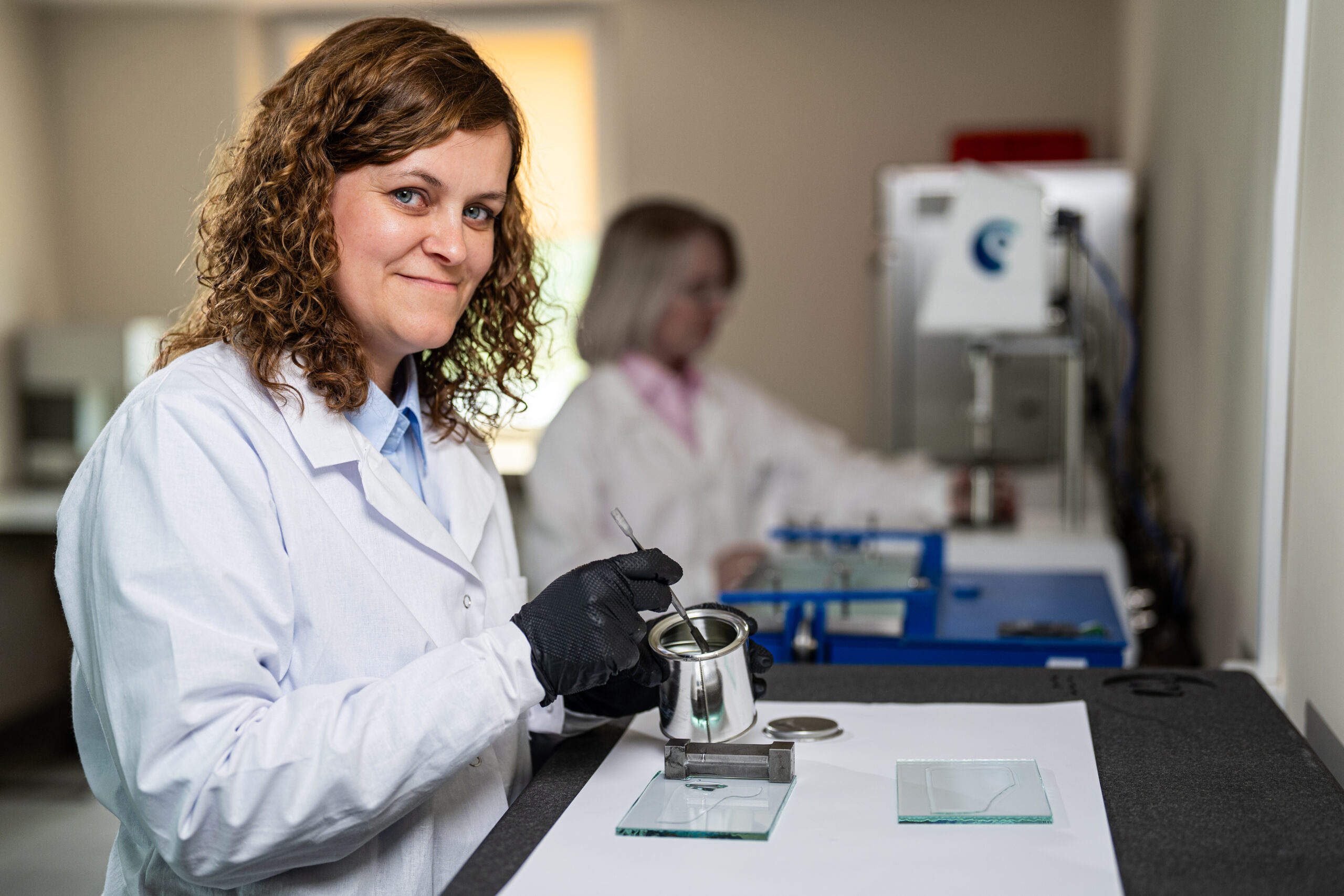
Development of bio-based binders for protective coating systems within the RASCOS project
We are currently carrying out the first stage of the RASCOS project, in which we analyze available solutions and operational requirements, as well as select polymers that will serve as binders in the designed coating systems.
Although paint may seem like just a protective layer, in practice each component influences the final properties of the coating — its mechanical resistance, adhesion, durability, and applicability under industrial conditions.
And this is exactly where the biggest challenge begins.
Four groups of binders under the microscope
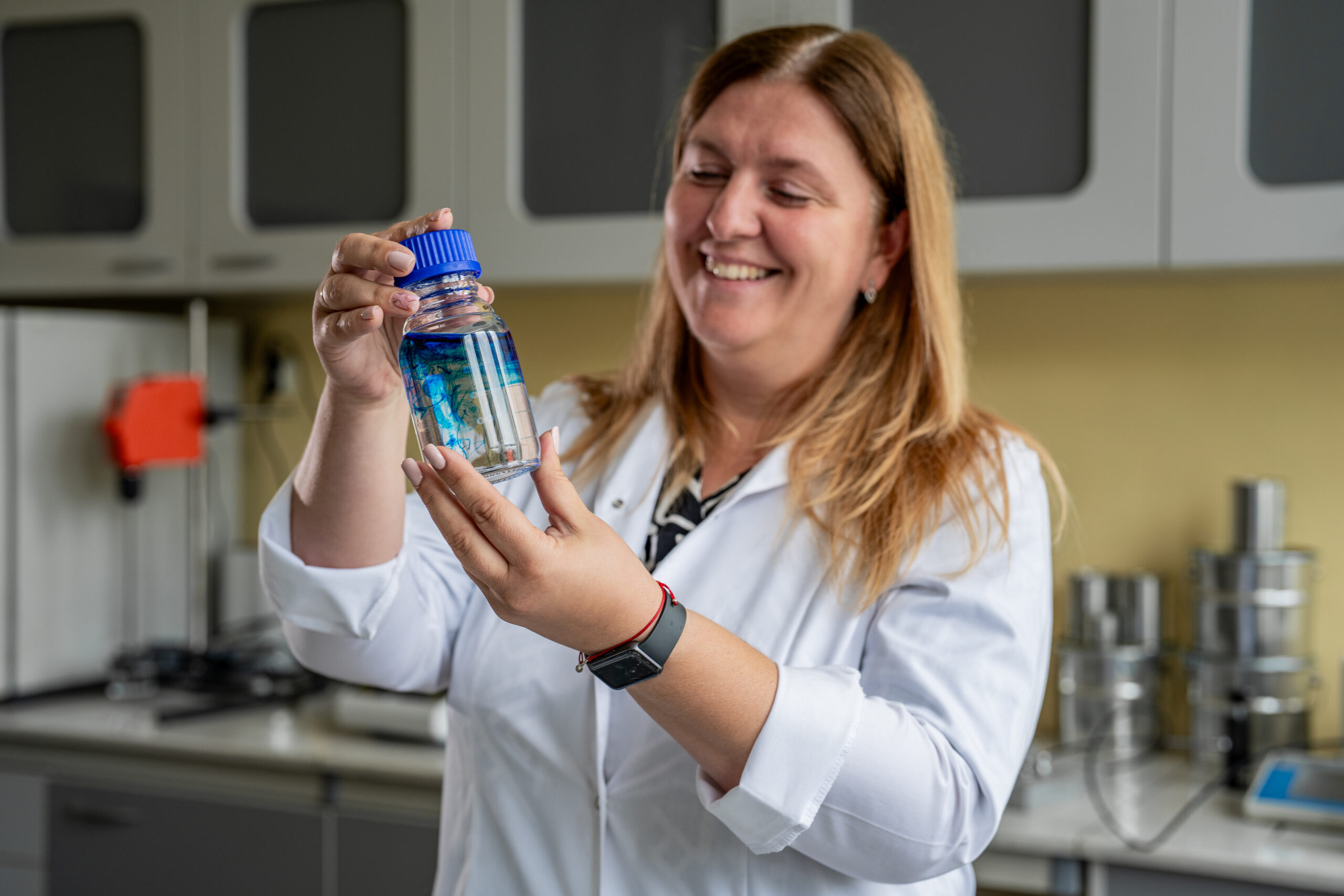
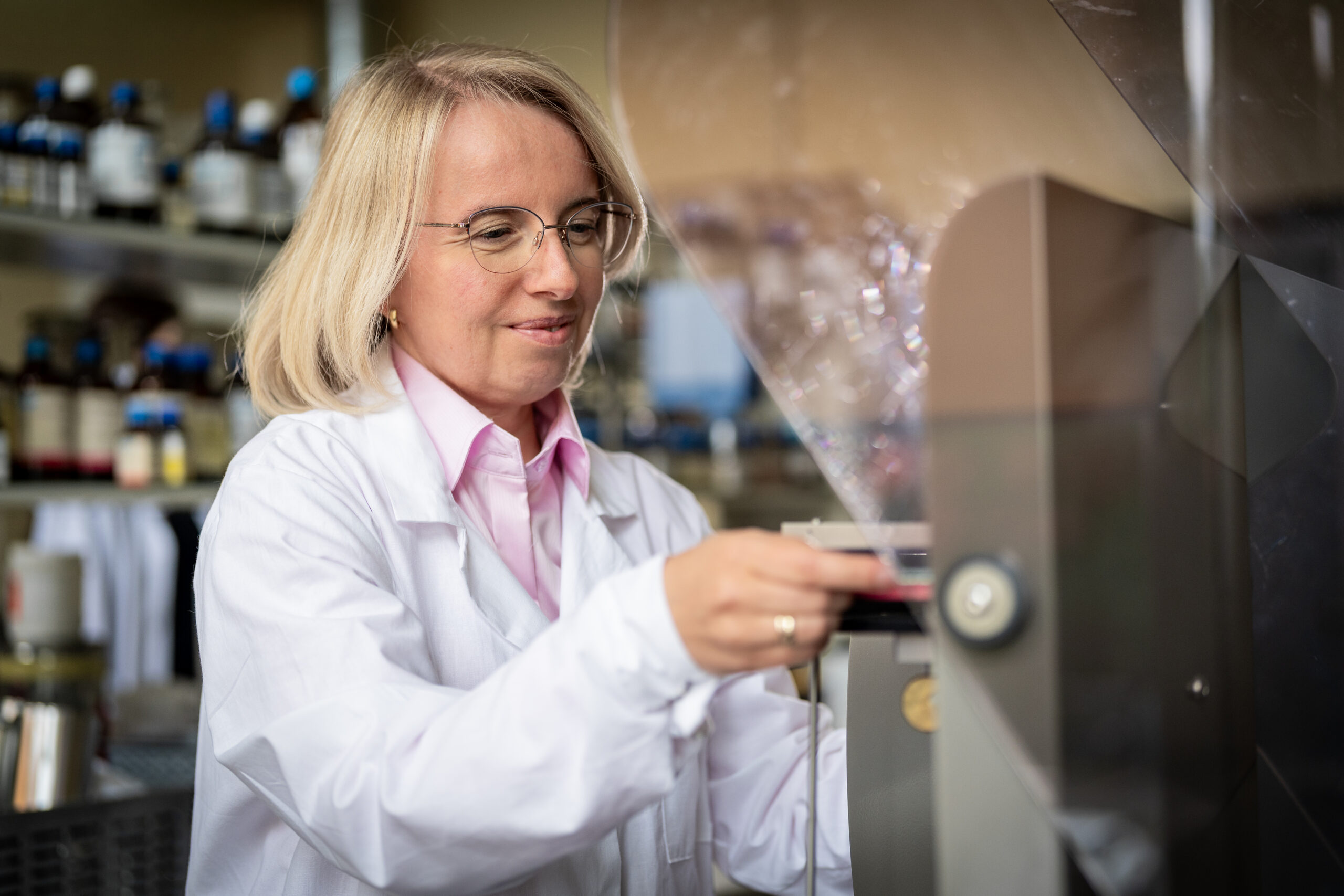
Development and modification of polymers for bio-based binder systems within the RASCOS project
In Work Package 1 (WP1), we are screening several groups of binders, the components that form the coating layer and hold the other ingredients together. They include polyurethanes, bio-based epoxy systems, polyaspartics and hybrid isocyanate-free systems.
We quickly learned that the origin of the raw materials does not tell us whether a material will work as the basis for a future coating. A binder can look excellent on paper and then fall short during preparation, application or under service conditions. That is why our research goes much further.
We observe how the material behaves during preparation and application. Among other things, we study its rheology, meaning how it flows, which determines whether a coating can be applied evenly. Then we look at crosslinking, the curing process in which a three-dimensional polymer structure forms.
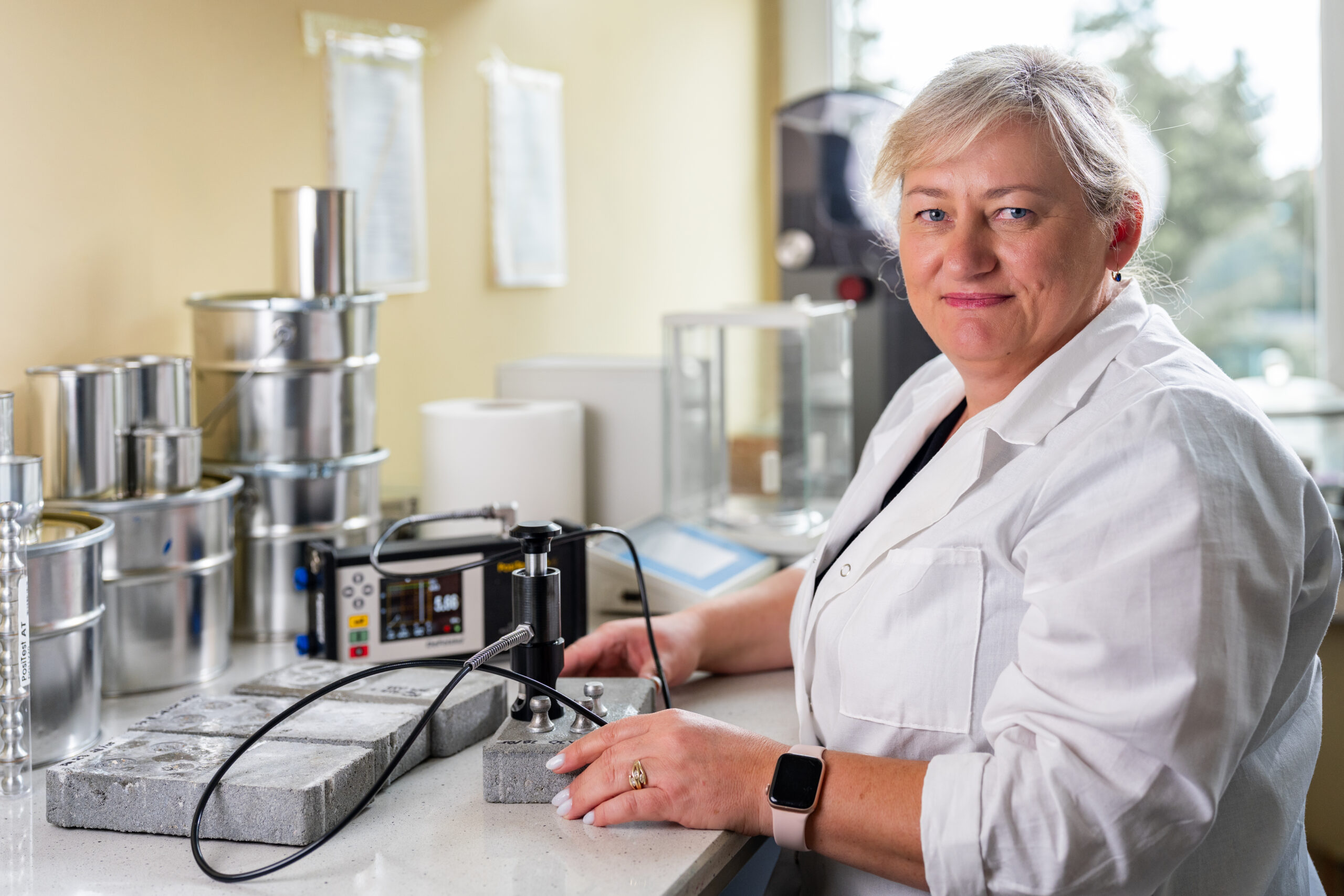
Once the material has cured, we assess its mechanical properties, adhesion to concrete and thermal resistance. Finally, we put it to the test under demanding conditions, because that is where a coating for critical infrastructure has to prove its worth.
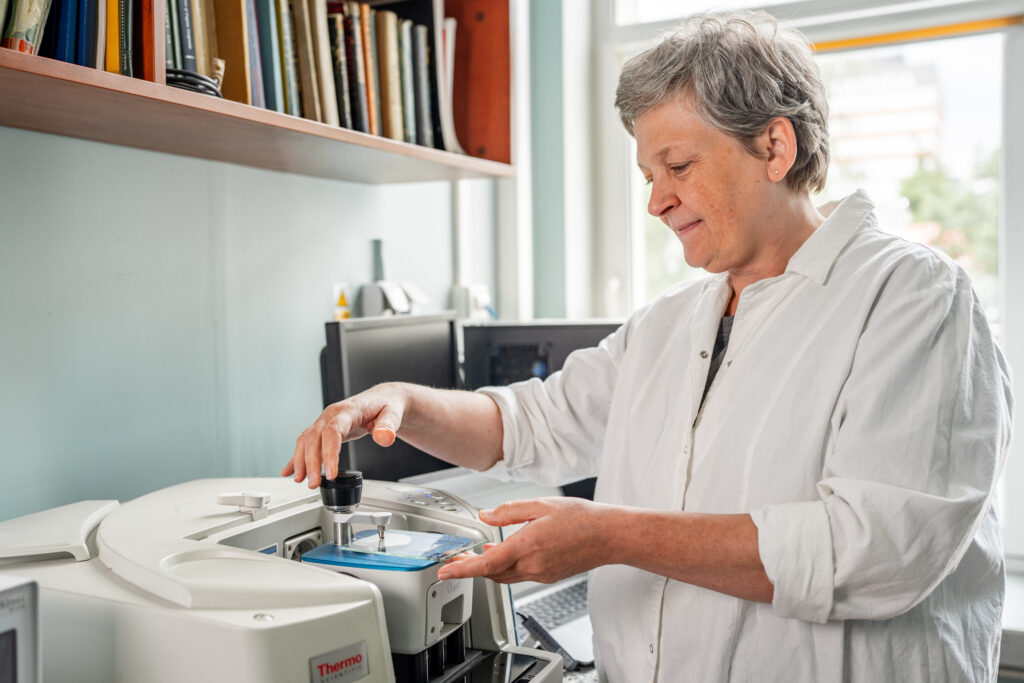
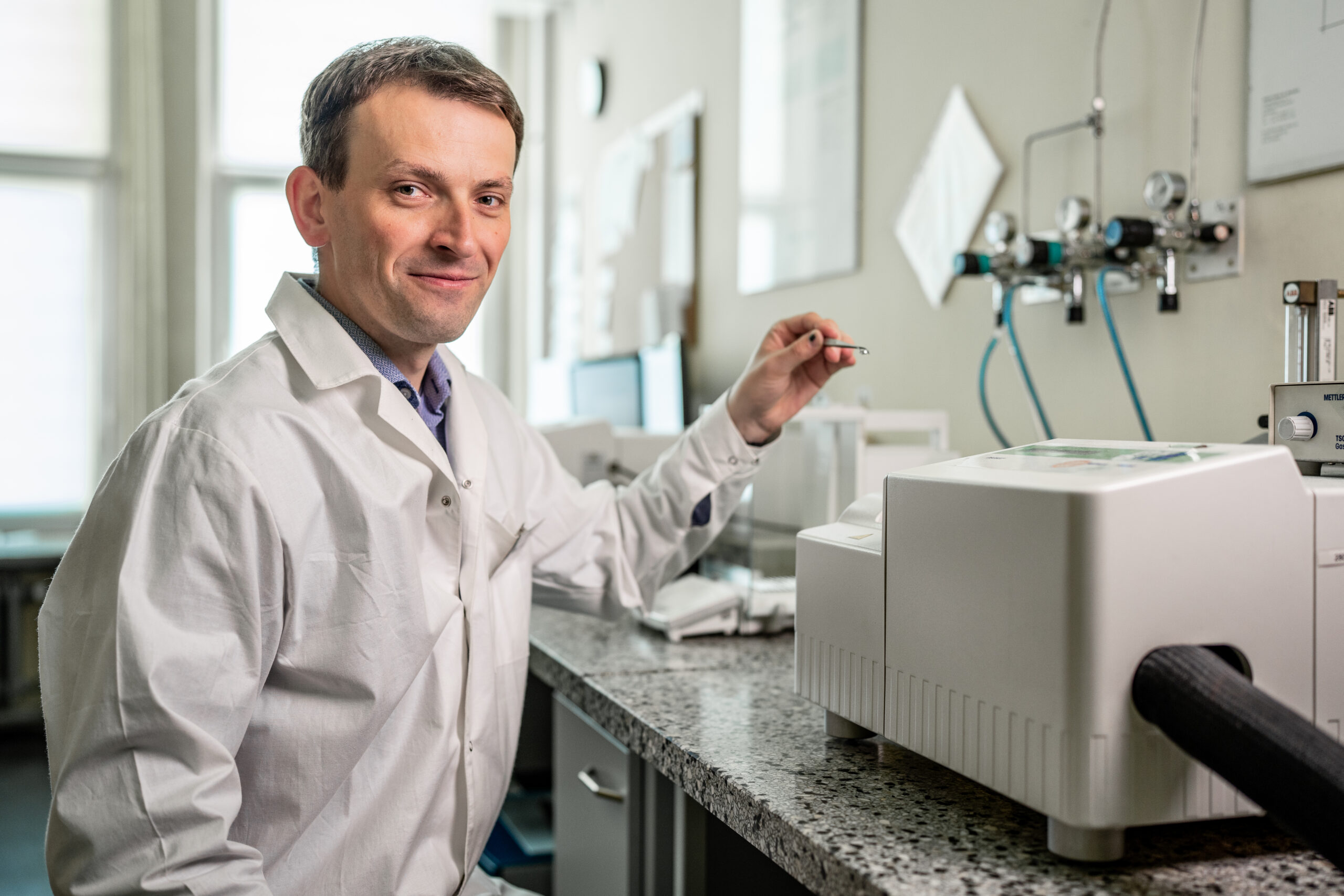
FTIR characterisation of binders and raw materials within the RASCOS project
Why so many tests?
Because in such a demanding application, it is not enough for just one parameter to look good. The material has to be properly prepared and applied, and then keep its required properties throughout its service life.
Every test tells a different part of the story. Some results reveal a material’s strengths, while others expose its limitations. Only when we put all this information together can we judge which binders are truly worth developing further. That is what screening is about, and it is why this stage of the research matters so much: it lets us focus time and resources on the most promising candidates instead of relying on assumptions.
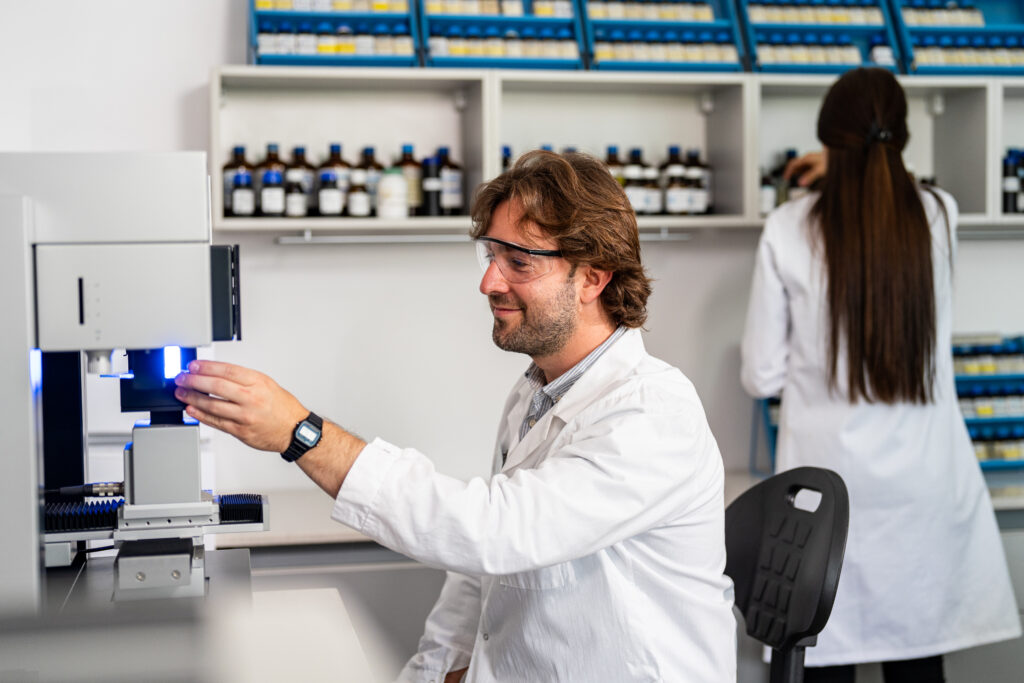
Goniometric evaluation of coating hydrophobicity within the RASCOS project
The work you don't see
This is the part of research that often remains unseen, literally and figuratively. Before a finished, colourful coating can exist, a great deal happens in the laboratory to establish which materials are worth building it from at all.