From June 16–18 2026, the RASCOS project team convened in Zurich for a discovery workshop hosted at EuroTube’s headquarters — a key step in aligning technological concepts with real-world operational conditions.
The meeting was dedicated to advancing a shared understanding of how automated systems for concrete infrastructure maintenance can be effectively implemented. In particular, discussions focused on the interdependencies between material solutions, robotic systems, and the infrastructure environment in which they are expected to operate. This systemic perspective is essential in the RASCOS project, where innovation emerges not from isolated components, but from their precise integration.
From Concept to Feasibility: Verifying Robotic Deployment Conditions
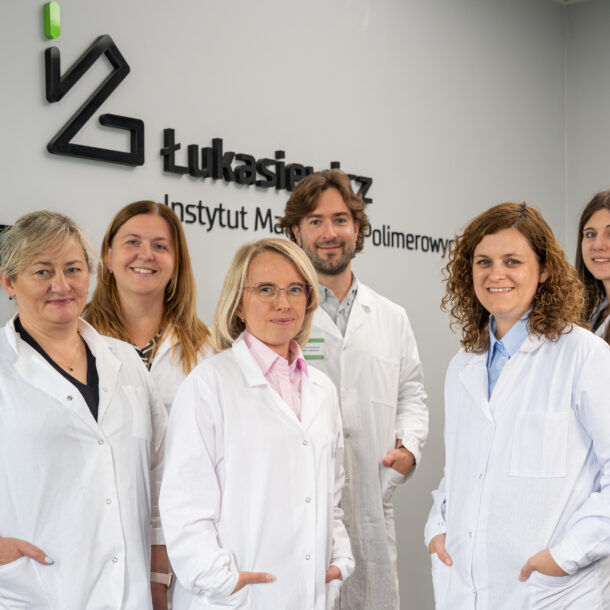
Within the project framework, Łukasiewicz – IMPIB is responsible for the development of advanced coating systems, while SPE is developing automated technologies for defect detection and coating application. EuroTube provides a unique experimental environment, including a full-scale test track, enabling validation of technological assumptions under conditions representative of future transportation systems.
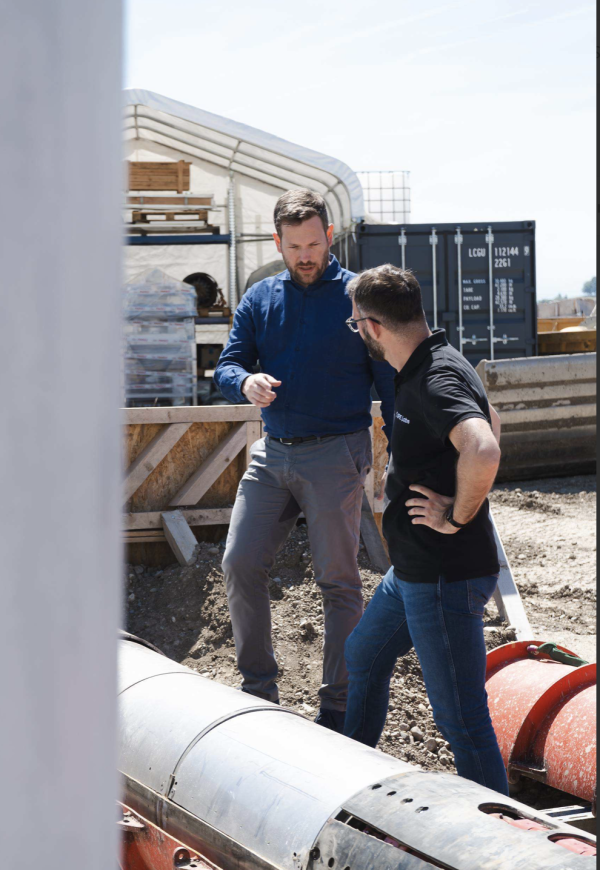
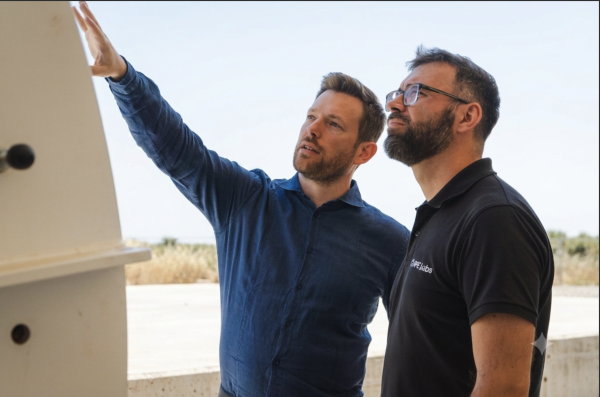
A critical aspect of the workshop was the on-site participation of Szymon Zdrojewski (SPE Labs), who conducted a direct assessment of the EuroTube testing infrastructure. This included the analysis of spatial, operational, and technical constraints relevant to the deployment of robotic systems. Such verification is indispensable at this stage of the project, as it allows for confronting initial concepts with actual environmental conditions, identifying limitations, and refining implementation scenarios. It also supports the evaluation of robot–infrastructure interaction and the feasibility of automated inspection and repair processes.
Coating Systems in Automated Processes
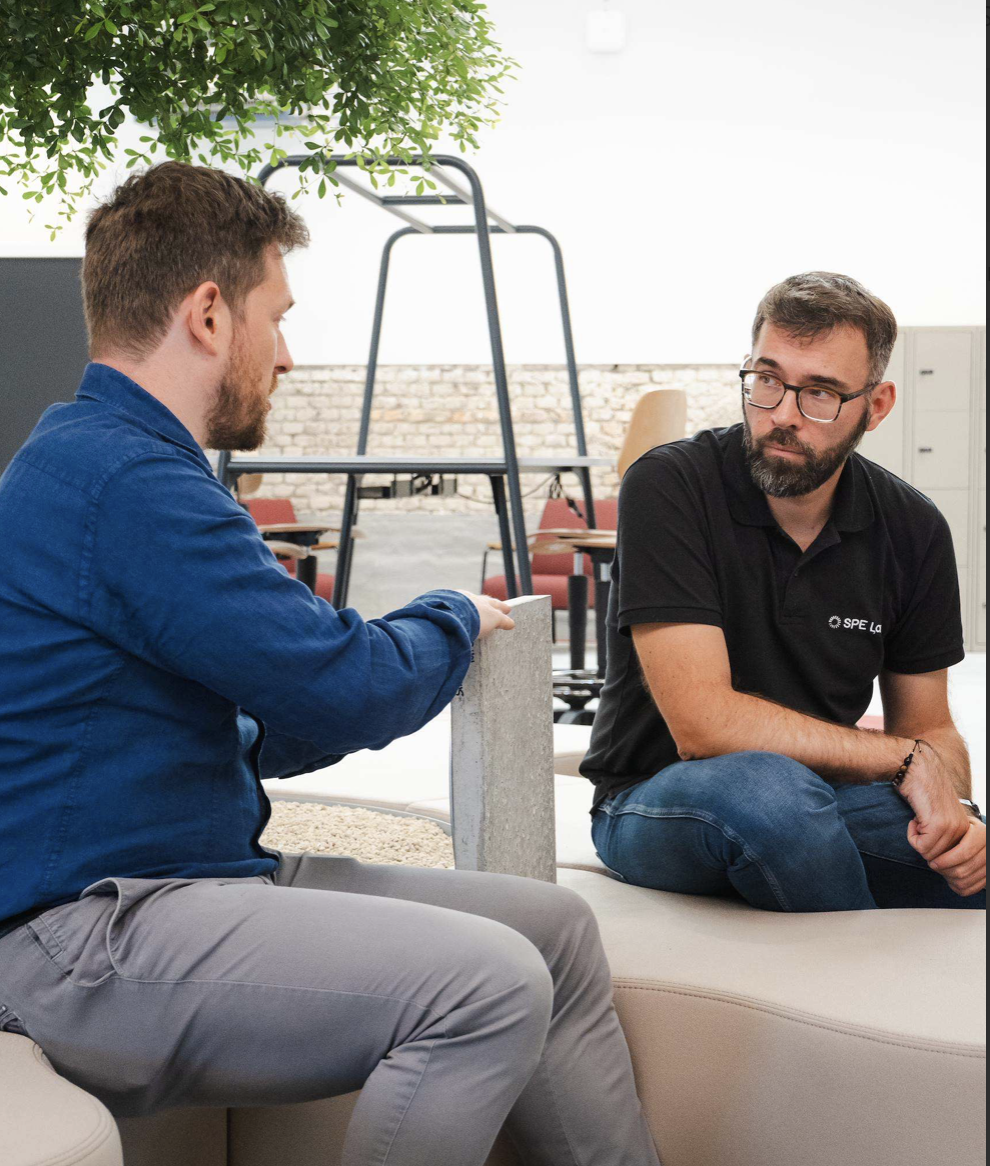
In parallel, the role of coating systems within the overall technological chain was discussed in detail. Particular attention was given to their functional requirements, compatibility with automated application processes, and long-term performance in demanding operational environments. These discussions also addressed potential technical challenges, including issues related to surface preparation, adhesion, durability, and the constraints imposed by robotic application systems.
Specialists from IMPIB participated in these sessions remotely, contributing material-oriented expertise and supporting the identification of critical parameters influencing coating performance in the context of automation. This hybrid mode of collaboration reflects the distributed yet highly integrated nature of modern R&D projects.
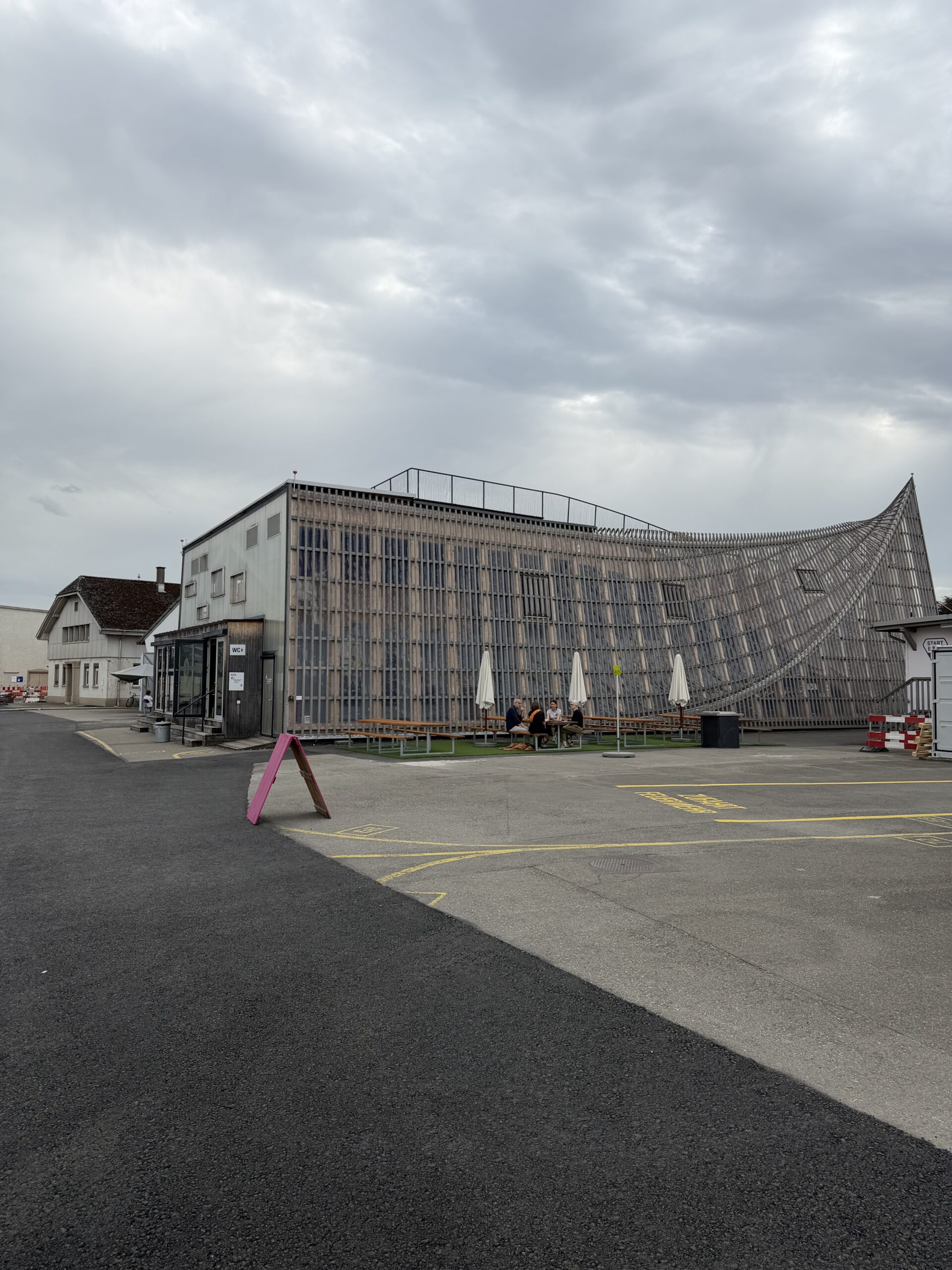
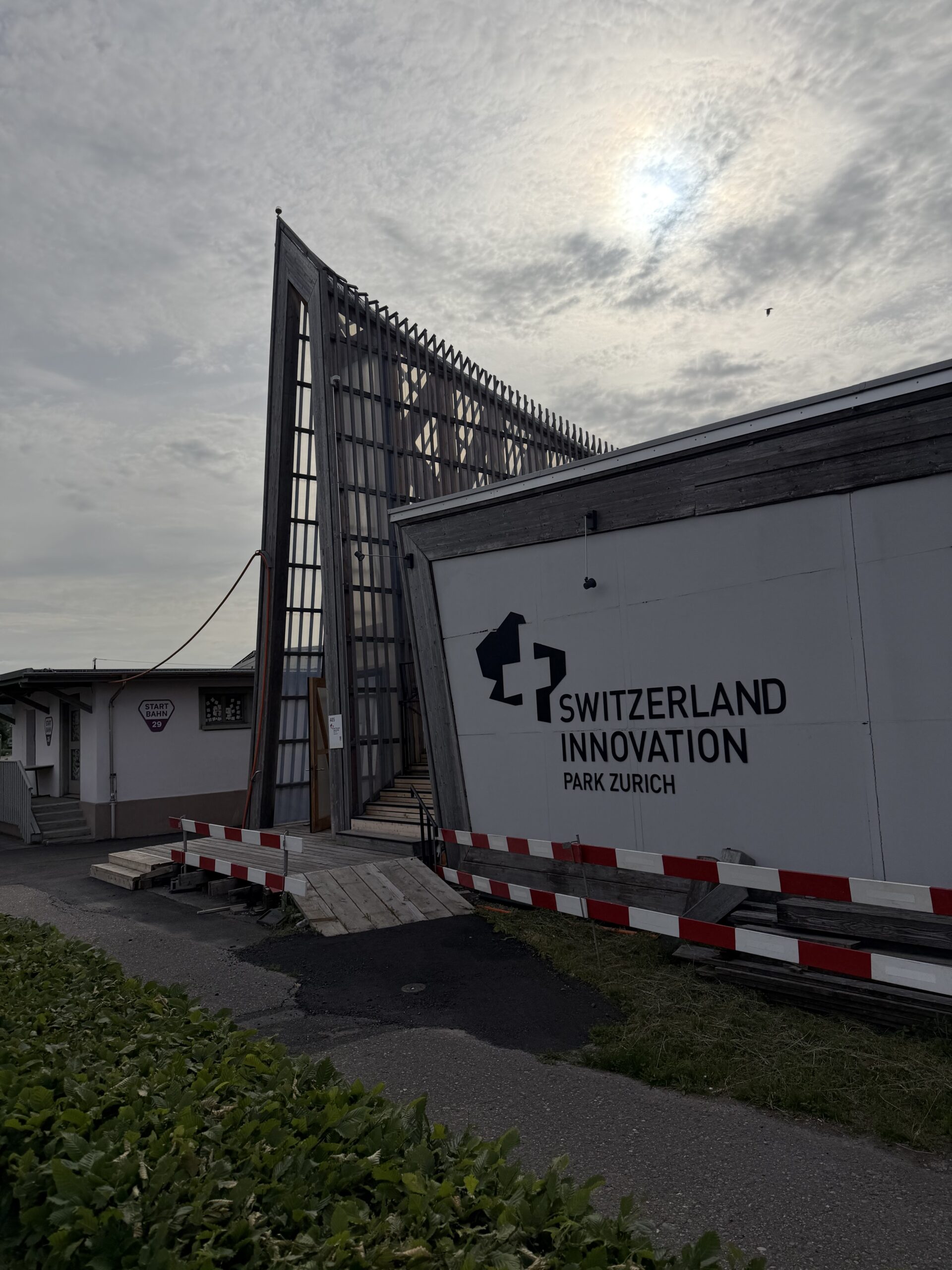
The workshop also included a visit to Innovation Park Zurich, offering additional insight into a dynamic innovation ecosystem and reinforcing the importance of cross-sector collaboration in the development of advanced technological solutions.